)
)
)
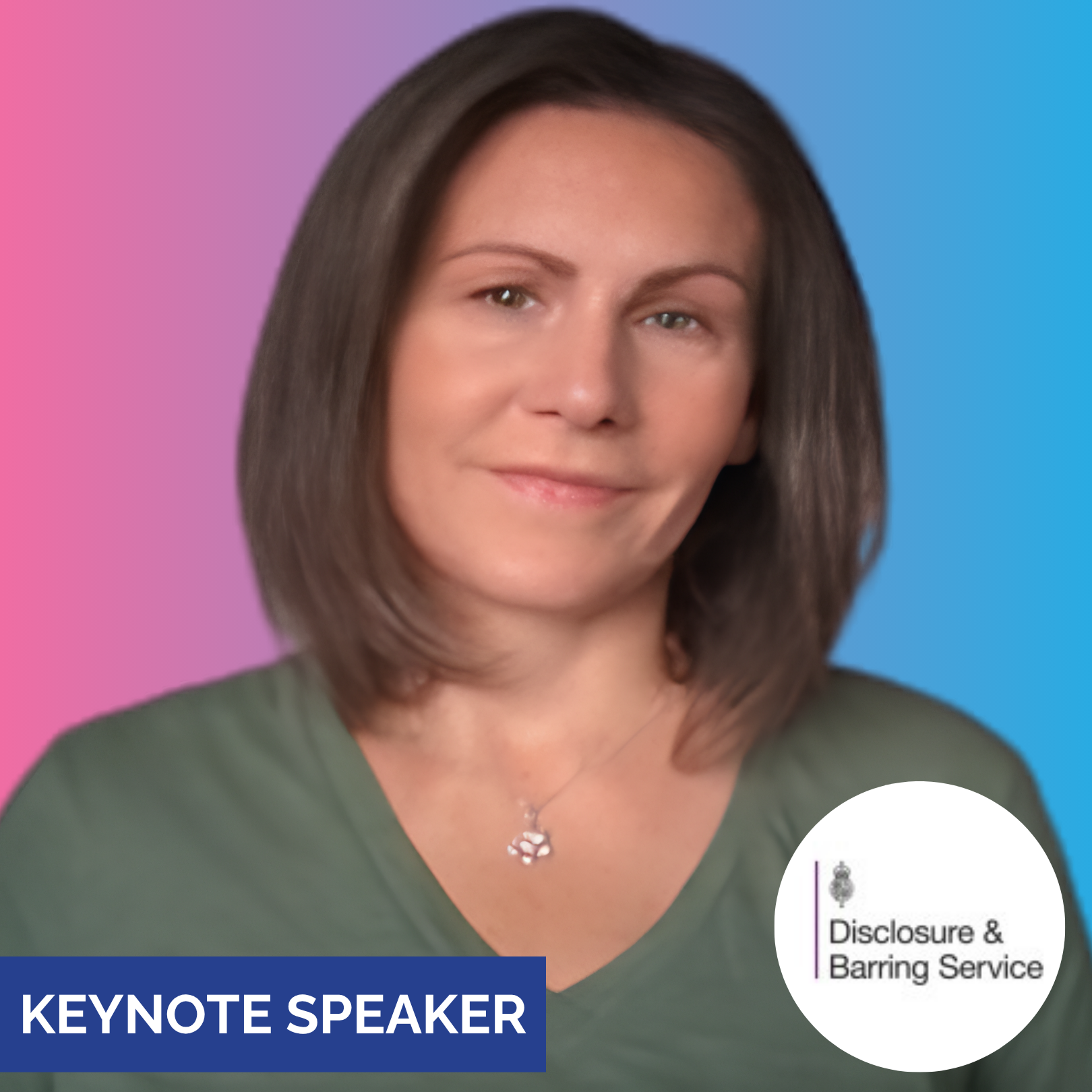
Mel Berry
The Care Sector and DBS: Working Together to Prevent Harm
DBS helps to safeguard vulnerable groups by providing relevant information and making barring decisions to aid safer recruitment and employment. To do this, we rely on employers and organisations making barring referrals and sharing information with us when they have concerns that an individual has harmed a child or vulnerable adult, or they pose a future risk of harm to children or vulnerable adults.
Did you know you may have a legal duty to make a barring referral to DBS and how to submit a referral?
Join Mel for this seminar to explore the role and purpose of the Disclosure and Barring Service (DBS). The session will also provide clear, practical guidance on the legal duty to refer, including when a referral must be made and how to submit it correctly, helping you meet your obligations under the Safeguarding Vulnerable Groups Act 2006.
Designed for anyone who holds responsibility for safer recruitment or safeguarding in their role to provide knowledge, clarify responsibilities, and support effective safeguarding practice across the care and safeguarding sector. The learning from this session could make a significant difference to protecting vulnerable adults and children in your professional role.
Speaker Bio
Mel joined the Disclosure and Barring Service (DBS) in 2022, bringing almost 20 years’ experience across the social care and criminal justice sectors. This includes nearly a decade working as a social worker in statutory adult services, supporting and safeguarding adults at risk.
Mel works within the DBS Partnerships Team as the Regional Outreach Adviser for the South West of England, supporting the strengthening of safer recruitment and safeguarding practices across all sectors. In this role, Mel provides expert advice and delivers free training to organisations of all sizes across the region. Her work supports employers, regulated activity providers, and personnel suppliers to understand DBS products and services, as well as their legal responsibilities under the Safeguarding Vulnerable Groups Act 2006.
Sessions
-
The Care Sector and DBS: Working Together to Prevent Harm23-Jun-2026Keynote Stage
)
)
)
)
)